Welcome to the captivating world of Chihuahuas. These pint-sized wonders pack a punch of personality and charm. Renowned for their small stature and big hearts, Chihuahuas have become much more than just a petite breed; they are a delightful blend of energy, loyalty, and social grace.
In this article, we’ll explore the unique traits and characteristics that make Chihuahuas stand out, from their suitability for various living spaces to their sensitivity to temperature and their innate love for companionship.
Whether you’re a seasoned Chihuahua enthusiast or just beginning to discover the joys of this breed, join us on a journey to unravel the distinct and endearing qualities that define these tiny companion animals.
Table of Contents
Chihuahua History
Chihuahuas, those pint-sized pups with big personalities, have a captivating history that takes us back in time. Originating from the Mexican state of Chihuahua, these tiny dogs have made a big impact.
Historically speaking, the roots of Chihuahuas trace back to ancient civilizations like the Aztecs. It is believed that these diminutive dogs were companions to the Aztecs and held a special place in their culture.
The Aztecs, who resided in the region that is now Mexico, had a deep appreciation for Chihuahuas and even believed that these dogs possessed mystical qualities.
Fast forward to the 19th century, and we find Chihuahuas making their way to the United States. As people began to discover and adore their compact size and spirited personalities, Chihuahuas gained popularity as cherished pets.
Transitioning to the present day, Chihuahuas continue to capture hearts worldwide. Their history is intertwined with the rich tapestry of Mexican culture, and their journey from ancient civilizations to modern households is a testament to their enduring charm.
Ideal Environment for a Chihuahua Puppy
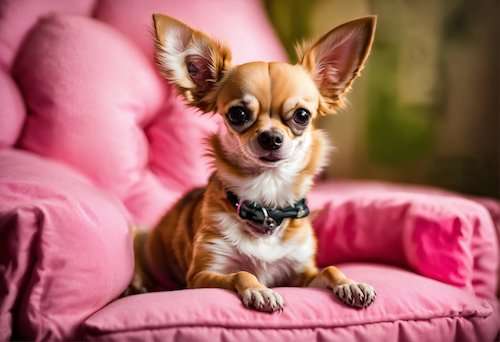
Creating the perfect environment for a Chihuahua puppy is essential to ensure their well-being and happiness. These little bundles of energy thrive in settings that cater to their specific needs.
To start with, Chihuahuas are known for their small size, making them suitable for apartment living. Their diminutive stature means they don’t require a vast space to roam. Nevertheless, it’s crucial to provide them with a cozy spot where they can feel secure and comfortable.
Chihuahuas breed have a thin coat, so they may be sensitive to extreme temperatures and cold weather. Ensuring a consistent and moderate climate is key to their contentment. In colder weather, a soft and warm bed becomes their haven, while in warmer temperatures, a cool and shaded area offers respite.
Are Chihuahuas good with children?
Chihuahuas can be good with children, but there are certain considerations and precautions to keep in mind. The temperament of a Chihuahua often depends on factors such as socialization, training, and the individual dog’s personality.
As with any pet, it’s good to teach children how to interact with a dog respectfully and gently to avoid any danger to the child and harm to the dog.
Here are some points to consider when evaluating the compatibility of Chihuahuas with children:
- Size: Due to their small size, Chihuahuas may be more delicate, and interactions with very young children should be closely supervised. Rough handling or accidental falls can potentially harm the dog.
- Patience: Chihuahuas may not tolerate rough play or sudden movements. It’s crucial to teach children to approach the dog calmly and avoid startling them.
- Supervision: Always supervise interactions between Chihuahuas and young children. This ensures the safety of both the child and the dog. Even a well-behaved Chihuahua may react defensively if they feel threatened.
They thrive on human interaction and often get along well with other pets, especially if they are introduced to them early on.
Their sociable nature makes them wonderful companions, whether you’re lounging on the couch or going for a walk. Regular playtime, walks, and bonding moments with their human family contribute to their overall well-being.
Considering their petite size, it’s important to create a safe space that minimizes potential hazards. Chihuahuas, being naturally curious, may explore their surroundings, so puppy-proofing the living area is a thoughtful step.
Are there different "types" of Chihuahuas?
There’s a delightful variety that adds to their charm. These tiny canines come in different “types” or variations, each possessing its very own breed and unique characteristics.
Chihuahuas Different sizes
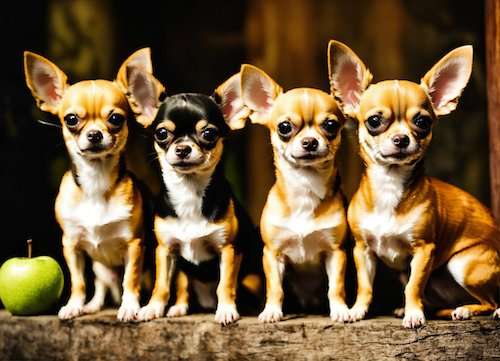
Another fascinating aspect is their size. Chihuahuas are already pint-sized, but there’s a distinction between those that fall within the standard size range and the even tinier individuals referred to as teacup Chihuahuas.
Teacups
Teacups are exceptionally small and weigh less than the standard tiny dog Chihuahua, adding an extra dash of cuteness.
Head Shape
In terms of head shape, Chihuahuas can be classified as having either an “apple head” or a “deer head.”
The apple head
The apple head Chihuahua is characterized by a rounded skull, resembling, well, an apple.
Deer Head Chihuahua
On the other hand, the deer head has a more elongated and narrow skull, resembling, you guessed it, a deer.
Floppy ears
Now, let’s talk ears. Chihuahuas can have either erect ears or floppy ears. The variety in ear shape contributes to their distinctive appearance, giving each Chihuahua a unique and adorable expression.
Coat Types
Now, let’s talk about the coat. Chihuahuas can have either a smooth coat or a long coat. The smooth coat is short and glossy, requiring minimal grooming, while the long coat is, as the name suggests, adorned with longer, flowing fur, demanding a bit more attention to keep it looking its best.
Coat Color
Chihuahuas showcase a palette of hues. You’ll find them in various colors such as fawn, black, white, chocolate, and more. Some may even sport a combination of colors, creating a visually stunning and diverse array.
Coat Care
Taking care of a Chihuahua’s coat is like pampering a tiny ball of fluff, and it’s crucial for their well-being. Whether your Chihuahua sports a short and sleek coat or a luxurious long one, proper coat care contributes to their overall health and happiness.
These pups have a short and glossy coat that’s relatively low-maintenance. Regular brushing with a soft brush helps remove loose hair and keeps their coat looking shiny. A gentle wipe with a damp cloth can also help keep their coat clean and sleek.
On the flip side, if you have a Chihuahua with a long coat, be prepared to invest a bit more time in grooming. Long-haired Chihuahuas have flowing locks that require regular brushing to prevent tangles and mats.
Using a comb or a slicker brush, slowly and gently work through their fur, starting from the tips and moving towards the roots. Focus more on the areas prone to tangling, like behind the ears and under the legs.
Use a mild dog shampoo, and be sure to rinse thoroughly to avoid any residue. Drying is equally important, especially for long-haired Chihuahuas, as damp fur can lead to matting. A gentle towel dry or a low-heat blow dryer can be used to get a smooth coat chihuahua puppy.
Chihuahuas Life Span
On average, the Chihuahua breed have a lifespan that spans around 12 to 20 years, but several factors come into play that influence their longevity.
Genetics play a significant role. Just like humans inherit traits from their parents, Chihuahuas inherit genetic factors that impact their lifespan. Responsible breeding practices can contribute to healthier genetics, potentially extending their life expectancy.
Chihuahuas being small dogs tend to enjoy longer lives compared to larger breeds. Their petite frames and compact stature contribute to their ability to age gracefully.
Chihuahua Puppies
Chihuahua puppies have small stomachs, so frequent, smaller meals are the way to go. They generally need about 3 to 4 meals a day, gradually transitioning to fewer meals as they grow. Opt for high-quality puppy food to provide the essential nutrients for their developing bodies.
- Training: Chihuahuas are smart cookies, and early socialization and basic obedience training set the foundation for a well-behaved adult. Positive reinforcement works wonders, whether it’s treats, praise, or playtime. Patience is key, considering their small size and sometimes stubborn nature.
- Exercise: Now, let’s talk about play and exercise. Chihuahua puppies are full of energy, and they need an outlet for their playful spirits. Short, supervised play sessions and brief walks are ideal, considering their small legs and developing joints. Mental stimulation is equally important, so interactive toys and engaging activities keep their curious minds occupied.
- Grooming: Another essential aspect is grooming. Chihuahuas can have either short or long coats, and both require attention. Regular brushing helps keep their fur in top shape, and it’s an excellent bonding activity. Start grooming routines early to get them accustomed to the process.
- Healthcare: is a priority. Chihuahua puppies need vaccinations, deworming, and regular vet check-ups. Dental care is crucial too, as they can be prone to dental issues. Monitoring their weight and adjusting their diet accordingly ensures they grow at a healthy pace.
Are Chihuahuas healthy?
The health of Chihuahuas is a significant consideration for potential pet parents, and these toy breed pups generally have a good track record when it comes to well-being. However, like any breed, they do have specific health considerations.
Starting with the positive, Chihuahuas are known for their longevity. These little guys can often live into their teens or even early twenties, bringing joy and companionship for an extended period. Their small size seems to work in their favor, contributing to their overall well-being.
Health Issues
Now, there are potential health issues, Chihuahuas are prone to dental problems. Their tiny mouths can be susceptible to issues like tooth decay and gum disease, so regular dental care is crucial. Brushing their teeth and providing dental treats can help maintain their oral health.
Another consideration is their fragility due to their size. Being so small, they can be more delicate than larger breeds, making them prone to injuries if not handled with care. It’s essential to be gentle and cautious, especially when they’re around children or other pets.
As with many dog breeds, genetics can play a role in Chihuahua health. Responsible breeding practices that prioritize the health of the parents can contribute to healthier puppies. Regular veterinary check-ups are key to catching any potential issues early on, allowing for prompt treatment.
Height
In the world of Chihuahuas, height of lap dog is measured from their shoulder, and these little guys stand at an average of 6 to 9 inches.
Weight
Now, when it comes to weight, Chihuahuas are featherweights. On the scales, you’ll find them tipping in at a mere 2 to 6 pounds. They’re like the lightweight champions of the dog world, embodying a delicate balance of small size and big personality.
Chihuahua Feeding
Feeding your Chihuahua is a crucial aspect of their care, and it’s essential to provide them with a balanced and nutritious diet tailored to their specific needs.
Starting with portion sizes, Chihuahuas are small, so their meals should match their size. Generally, they require about 1/4 to 1/2 cup of high-quality dog food per day, divided into two meals. It’s important not to overfeed, as their petite frames can be sensitive to weight gain.
Regarding to the type of food, opt for a high-quality dog food that suits their age, size, and activity level. Look for options with real meat as the primary ingredient, providing essential proteins. Chihuahuas can have dental issues, so dry kibble can help maintain their oral health by reducing plaque buildup.
Incorporating fresh and wholesome ingredients is beneficial. You can include lean meats, vegetables, and fruits as treats or meal toppers, ensuring they get a variety of nutrients. However, be cautious about certain foods that may be harmful to dogs, such as chocolate, onions, or grapes.
Chihuahua Hydration
Hydration is key, so always have fresh water available for your Chihuahua. Their small size means they can be prone to dehydration, especially in warmer weather, so encourage regular water intake.
Keep a feeding schedule, dividing their daily food into two meals helps regulate their metabolism and prevents overeating. It also aligns with their natural grazing behavior.
Regular monitoring of your Chihuahua’s weight and adjusting their diet accordingly is important. If you have any concerns about their nutrition or dietary requirements, consult with your veterinarian for personalized advice.
Sensitivity Level
Starting with noise, Chihuahuas can be sensitive to loud sounds. Thunderstorms, fireworks, or even high-pitched noises may startle them. Providing a quiet and secure space during such events can help alleviate their anxiety.
They can also be tend to be attuned to the emotions of their owners. They can sense when their human is happy, sad, or stressed. This emotional awareness makes them excellent companions, offering comfort and support.
Their sensitivity extends to changes in routine or environment. These tiny little guys may take some time to adapt to new situations, people, or places. Offering reassurance and a gradual introduction to changes helps them feel more at ease.
When it comes to training, positive reinforcement is key. Chihuahuas respond well to gentle guidance and encouragement. Harsh tones or punishment can be particularly distressing for these sensitive souls, potentially affecting their behavior.
Grooming is another area where sensitivity comes into play. Some Chihuahuas may be sensitive to touch, especially around their paws or ears. Introducing grooming routines gradually and using a gentle touch can help them feel more comfortable.
Amount Of Shedding

Chihuahuas are generally low to moderate shedders, which makes them a good choice for individuals who prefer dogs with minimal hair shedding. However, the amount of shedding can vary among individual Chihuahuas and may be influenced by factors such as genetics, coat type, and overall health.
Chihuahuas come in two main coat varieties: smooth coat (short-haired) and long coat. Here’s a brief overview of shedding characteristics for each type:
- Smooth Coat (Short-Haired): Smooth coat Chihuahuas have a short, glossy coat that is relatively easy to maintain. They shed, but the shedding is typically minimal. Regular brushing can help remove loose hairs and keep their coat looking sleek.
- Long Coat: Long coat Chihuahuas have, as the name suggests, a longer and often silkier coat. While their shedding is still considered moderate, the longer hairs may be more noticeable around the house. Regular grooming, including brushing, is important to prevent matting and reduce shedding.
Regardless of the coat type, Chihuahuas are generally not heavy shedders compared to some other breeds. Regular grooming practices, such as brushing and occasional baths, can help manage shedding and keep their coat in good condition.
It’s also worth noting that individual variations may occur, and factors like diet, overall health, and seasonal changes can influence shedding patterns.
If you have specific concerns about shedding or allergies, spending time with a Chihuahua beforehand or consulting with breeders can provide insights into the shedding tendencies of individual dogs.
Keep in mind that while Chihuahuas may not be entirely hypoallergenic, their low to moderate shedding nature makes them a suitable choice for many individuals with allergies.
Chihuahuas Heart Diseases
Heart disease can affect Chihuahuas, and like many small dog breeds, they may be prone to certain cardiac issues. It’s essential for Chihuahua owners to be aware of potential heart problems and take proactive steps for their well-being.
One common heart condition in Chihuahuas is mitral valve disease. This condition involves the deterioration of the mitral valve in the heart, leading to issues with blood flow. It’s more prevalent in older dogs, but it’s crucial to monitor Chihuahuas of all ages.
Symptoms of heart disease in Chihuahuas can include coughing, difficulty breathing, lethargy, and a reluctance to exercise. If you observe any of these signs, it’s essential to consult with a veterinarian promptly.
Regular veterinary check-ups are crucial for Chihuahuas, especially as they age. These check-ups may include heart screenings to detect any potential issues early on. Early detection allows for better management of heart conditions and can improve the quality of life for affected dogs.
Eye Problems
Chihuahua breed can be prone to certain eye problems, and it’s important for owners to be aware of potential issues and seek prompt veterinary attention if any symptoms arise. Some common eye problems in Chihuahuas include:
- Proptosis (Eye Displacement): Due to their large, round eyes, Chihuahuas may be more susceptible to proptosis, where the eye is displaced from its socket. This is a medical emergency requiring immediate veterinary care.
- Cherry Eye: Chihuahuas can develop a condition known as cherry eye, where the gland in the third eyelid becomes swollen and visible. Surgical correction may be necessary.
- Corneal Ulcers: The prominent eyes of Chihuahuas can make them more susceptible to corneal ulcers, often caused by scratches or foreign objects. Symptoms include squinting, tearing, and redness.
- Dry Eye (Keratoconjunctivitis Sicca): Chihuahuas may experience insufficient tear production, leading to dry eye. This can cause discomfort, redness, and a thick discharge.
- Cataracts: Like many dog breeds, Chihuahuas can develop cataracts, which cloud the lens of the eye and may lead to vision impairment.
- Glaucoma: Increased pressure within the eye, known as glaucoma, can occur and cause pain, redness, and vision loss. It’s crucial to address glaucoma promptly to prevent further damage.
- Progressive Retinal Atrophy (PRA): This genetic condition can lead to degeneration of the retina and eventual blindness. Regular veterinary check-ups are essential for early detection.
- Conjunctivitis: Chihuahuas, like any dog, can develop conjunctivitis, an inflammation of the conjunctiva. It may result from allergies, infections, or irritants.
Owners should monitor their Chihuahuas for signs of eye problems, such as squinting, excessive tearing, redness, cloudiness, or changes in behavior related to vision.
Blue Chihuahuas
The term “blue” in Chihuahuas refers to a coat color that is often considered problematic or controversial within breeding circles. Blue Chihuahuas have a coat that appears to be a diluted black, resulting in a bluish-gray hue. While some people find this color attractive, it’s associated with potential health concerns.
Blue Chihuahuas are more prone to certain skin and coat issues, including:
- Skin Allergies: Blue Chihuahuas may have a higher likelihood of developing skin allergies, leading to itching, redness, and discomfort.
- Hair Loss: They may be more susceptible to hair loss or alopecia, which can affect the coat’s thickness and overall appearance.
- Irritated Skin: The diluted pigmentation in blue coats can make the skin more susceptible to irritation from sunlight and environmental factors.
The blue color in many Chihuahuas, is a result of a recessive gene that dilutes the black pigment. Breeding for specific coat colors, like blue, can inadvertently increase the risk of genetic issues associated with that color. Responsible breeders prioritize the overall health and well-being of the dogs, focusing on breeding for good genetic health rather than specific coat colors.
Chihuahua Mix
Often referred to as a “Chihuahua mix breed” or simply a “Chihuahua mix,” is the result of breeding a Chihuahua with another dog breed. These mixed-breed dogs can inherit a combination of traits from both parent breeds, leading to a diverse range of appearances and temperaments.
The possibilities are vast when it comes to Chihuahua mixes, as they can be paired with various breeds such as Poodles, Terriers, Pomeranians, or even larger breeds like Dachshunds or Labrador Retrievers. The mix may influence factors like size, coat type, color, and personality.
For example, a Chihuahua Poodle mix, also known as a Chihuahua Poodle hybrid or a Chihuahua Poodle crossbreed, may inherit the Chihuahua’s small size with the Poodle’s curly coat. On the other hand, a Chihuahua Terrier mix might combine the Chihuahua’s alertness with the Terrier’s energetic nature.
What breeds are similar to Chihuahuas?

Several dog breeds share similarities with Chihuahuas, whether in terms of size, temperament, or characteristics. Here are some particular dog breeds that are often considered similar to Chihuahuas:
- Pomeranian: Like Chihuahuas, Pomeranians are small in size and known for their lively and playful personalities. They also have a thick double coat.
- Yorkshire Terrier (Yorkie): Yorkies are similar in size to Chihuahuas and share a bold and confident demeanor. They often have a long, silky coat.
- Maltese: Maltese dogs are petite, friendly, and have a distinctive long, flowing coat. They share a love for human companionship and make affectionate lap dogs.
- Papillon: Known for their butterfly-like ears, Papillons are small, intelligent dogs with a lively personality. They are generally good-natured and enjoy being part of family activities.
- Italian Greyhound: While slightly larger than Chihuahuas, Italian Greyhounds are still considered small dogs. They share a slender build and can have a smooth coat like Chihuahuas.
- Dachshund: Dachshunds come in different coat varieties and sizes, but the smaller ones can be similar in size to Chihuahuas. They are curious and can be quite playful.
- Shih Tzu: Shih Tzus are small dogs with a friendly and outgoing nature. They may have a longer coat and a distinctive pushed-in face.
- Miniature Pinscher: Often referred to as the “Min Pin,” this breed is similar in size to Chihuahuas and is known for its energy, alertness, and sleek coat.
Chihuahuas Training
Chihuahuas may be small in size, but they have a surprising amount of energy to burn. The exercise needs of Chihuahuas can vary based on factors like age, health, and individual personality.
Regular walks are a great way to meet their exercise requirements. Short walks, play sessions, and interactive indoor activities can keep them physically and mentally stimulated. It’s important to tailor the exercise routine to their size and age, as younger Chihuahuas may have more energy to expend.
Engaging their minds with puzzle toys, hide-and-seek games, or obedience training can also be a form of exercise for Chihuahuas. Mental stimulation is crucial for their overall well-being.
How much exercise do Chihuahuas need?
On average, Chihuahuas benefit from around 30 minutes to 1 hour of exercise per day. So, Adjust their exercise routine based on their individual needs, and you’ll have a content and well-exercised Chihuahua companion.
Chihuahua Breeders
Here are some steps to help you identify responsible Chihuahua breeders:
- Research: Start by doing thorough research on Chihuahua breeders in your area. Look for breeders who have a positive reputation and are known for ethical breeding practices.
- Ask for Recommendations: Seek recommendations from local veterinarians, Chihuahua clubs, or trusted friends who have experience with reputable breeders. Personal recommendations can provide valuable insights.
- Check Accredited Breeder Directories: Look for breeders who are members of recognized kennel clubs or breed organizations. These organizations often have codes of ethics that members must follow.
- Visit Breeder’s Facility: If possible, visit the breeder’s facility in person. This allows you to see the living conditions of the dogs, meet the breeder, and ask questions about their breeding practices.
- Ask Questions: When communicating with a breeder, ask about their experience, breeding goals, socialization practices, and health screening procedures for their Chihuahuas. A responsible breeder will be transparent and open to answering your questions.
- Check Health Certifications: Reputable breeders conduct health screenings for common genetic issues in Chihuahuas. Ask to see health certifications and documentation for the puppy’s parents.
- Review Contracts and Guarantees: A responsible breeder typically provides a written contract that includes details about the puppy’s health, vaccinations, and any guarantees. Ensure that you understand and agree with the terms.
- Visit with Puppies and Parents: If possible, spend time with the puppies and their parents. This allows you to observe their behavior, socialization, and overall health.
- Avoid Red Flags: Be cautious of breeders who have multiple litters available year-round, lack proper health certifications, or are unwilling to provide information. Avoid those who prioritize profits over the welfare of the dogs.
Remember that responsible breeders prioritize the health and happiness of their Chihuahuas and are committed to finding suitable homes for their puppies. Adopting from shelters or rescue organizations is also a commendable option if you’re open to providing a home to a Chihuahua in need.
Cost of a Chihuahua puppy
On average, you can expect to pay anywhere from $500 to $2,500 or more for a Chihuahua puppy.
Here are some factors that can influence the cost:
- Breeder Reputation: Breeders who prioritize the well-being and health of their Chihuahuas, probably charge higher prices. They often invest in proper breeding practices, veterinary care, and socialization.
- Pedigree and Bloodline: Chihuahuas with a pedigree from champion bloodlines or show-quality dogs may be more expensive. However, if you’re looking for a pet rather than a show dog, a pet-quality Chihuahua may be more affordable.
- Coat Color and Pattern: Chihuahuas come in various coat colors and patterns. Some colors, such as rare or unique ones, may be priced higher. However, responsible breeders prioritize health over specific coat colors.
- Geographical Location: The cost of Chihuahua puppies can vary by region or country. Prices may be higher in areas with a higher cost of living.
- Inclusions: Some breeders may include vaccinations, microchipping, spaying/neutering, and a starter kit with the puppy. These inclusions can contribute to the overall cost.
Conclusion
In conclusion, Chihuahuas stand as a testament to the captivating diversity found within the world of canine companionship. Despite their petite size, these dogs are endowed with enormous personalities, blending loyalty, confidence, and sociability into a charming package.
While their tiny frames may evoke fragility, their resilient spirits and boundless energy paint a picture of a spirited and vivacious breed.
However, like any other breed, Chihuahuas require thoughtful care, attention, and proper training to thrive. From managing their exercise needs to addressing potential health concerns, responsible ownership plays a crucial role in ensuring the well-being of these diminutive companions.
Their sensitivity, intelligence, and capacity for forming strong bonds with their human families contribute to the unique and endearing nature of the Chihuahua breed.
If you already have a Chihuahua puppy share your histories with us in the comments below.
Share:
You Might Also Enjoy


The Poodle Care Encyclopedia: Expert Advice on Training, Health, and Grooming